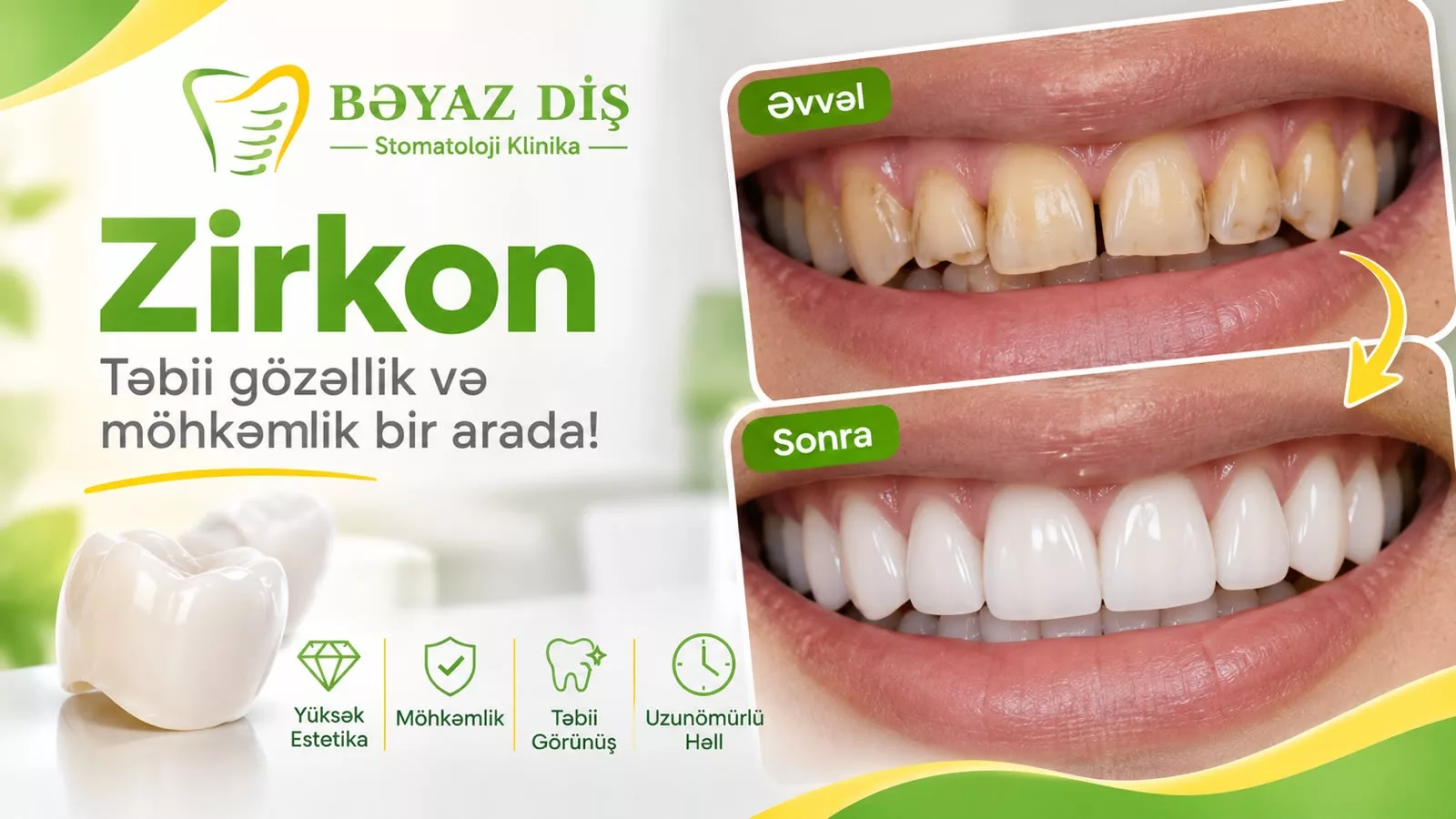
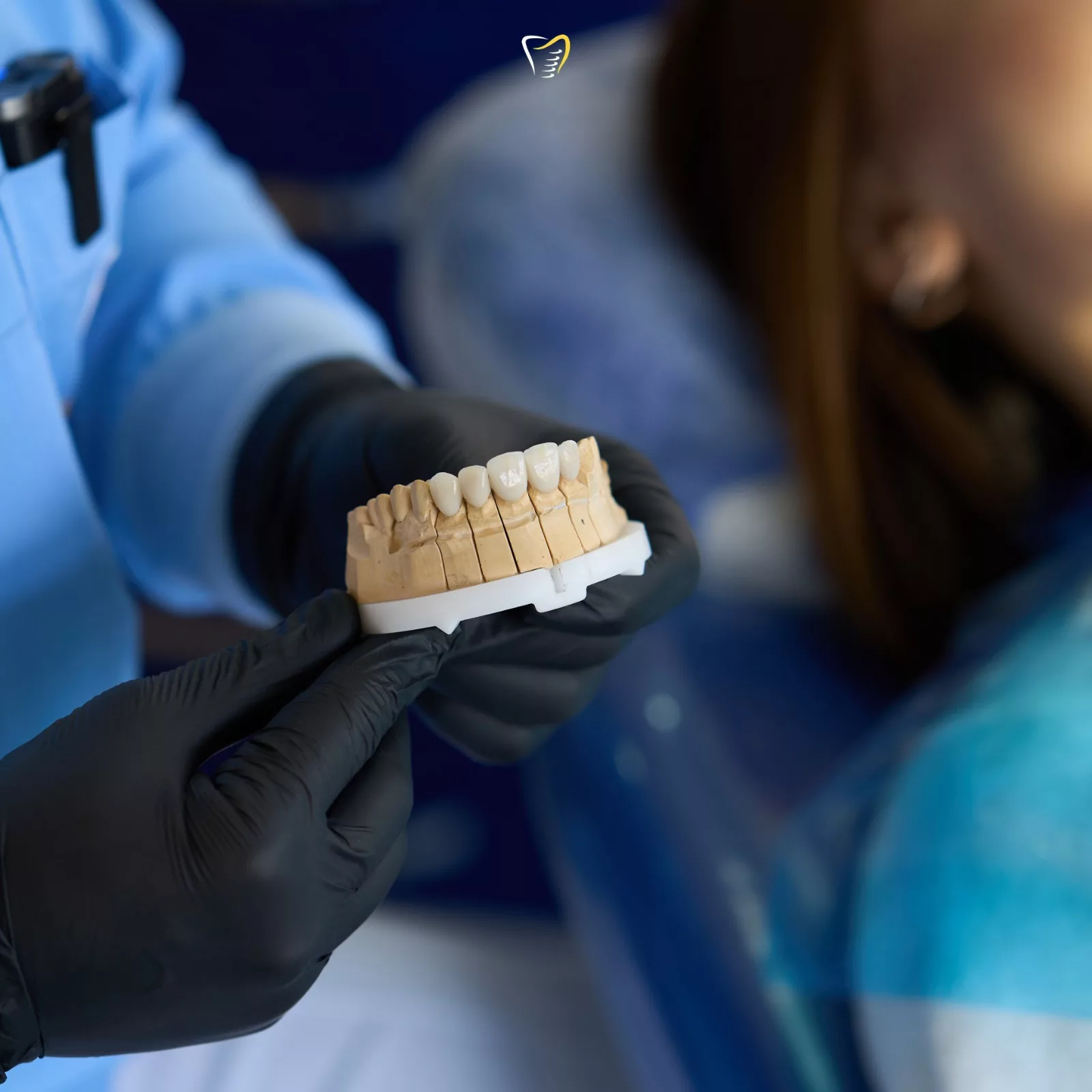
Modern dentistry aims not only to restore teeth but also to support their function and appearance. For teeth that are damaged, weakened, or extensively filled, a zirconia crown may be one treatment option. Known for its strength and lifelike appearance, zirconia is used in both functional and aesthetic dental restorations.
What is a zirconia crown?
The term “zirconia tooth” usually refers to a dental crown made from zirconium dioxide. The crown is custom-made in a dental laboratory and placed over a prepared tooth. It can help restore the tooth’s shape, support chewing function, and cover weakened tooth structure.
Zirconia crowns may be used to restore a single tooth. In some cases, zirconia may also be used in a dental bridge designed to replace one or more missing teeth. The most appropriate treatment depends on the condition of the teeth and gums, the patient’s bite, and overall oral health. A dentist can recommend an option after an examination.
Key features of zirconia
One reason zirconia crowns are considered is their strength. The material is designed to withstand the forces involved in everyday chewing and may be suitable for restoring different teeth. However, the lifespan of a crown depends on more than the material alone. Careful planning, accurate placement, good oral hygiene, and regular dental check-ups also matter.
Zirconia can also offer an appealing appearance. When the crown’s shape and shade are carefully matched to the surrounding teeth, the restoration may blend naturally with the smile. This may be especially important for teeth that are visible when speaking or smiling. For this reason, the dentist considers both the function of the crown and how it fits with the overall appearance of the teeth.
Unlike some metal-based restorations, zirconia does not have a metallic color. This can be an aesthetic advantage in certain cases. The final appearance, however, depends on factors such as the original tooth shade, the health of the gums, and the type of crown selected.
When might a zirconia crown be recommended?
After an examination, a dentist may consider a zirconia crown in situations such as:
a tooth is significantly damaged and a filling alone may not provide enough support;
a tooth has been weakened by a large filling;
a tooth needs protection after root canal treatment;
the shape or appearance of a tooth needs to be restored;
a suitable restoration is needed as part of a dental bridge.
This list is for general information only. Zirconia crowns are not automatically the right choice for everyone. Depending on the clinical situation, another restoration, additional treatment, or a different material may be more appropriate. The decision should be made after a professional examination.
What does the treatment process involve?
The preparation and placement of a zirconia crown may involve several stages.
- Examination and planningThe dentist assesses the teeth, gums, and bite. X-rays may be recommended where appropriate. Based on the findings, a treatment plan is prepared and the possible options are discussed with the patient.
- Preparing the toothThe tooth may need to be shaped so that the crown can fit securely. The amount of preparation depends on the condition of the tooth and the type of restoration. Local anaesthesia may be used to help keep the procedure comfortable.
- Taking impressions or a digital scanThe tooth and surrounding area are recorded using an impression or digital scan. This information is used to make a custom crown in a dental laboratory. The shade and shape can be selected with the neighboring teeth and the overall smile in mind.
- Checking and placing the crownBefore the crown is attached, the dentist checks its fit, appearance, and effect on the bite. Adjustments may be made if needed. The crown is then secured to the tooth using dental cement or another suitable bonding method.
The exact steps and treatment time vary from person to person. If additional dental treatment is required, the overall process may take longer.
How should you care for zirconia crowns?
Although a crown is an artificial restoration, the surrounding teeth and gums still need daily care. Brushing twice a day, cleaning between the teeth, and following your dentist’s advice can help support your oral health.
You should also:
use dental floss or interdental brushes as recommended;
avoid using your teeth to bite hard objects;
tell your dentist if you clench or grind your teeth;
attend regular dental check-ups;
contact your dentist if the crown feels loose or uncomfortable, or if you notice changes in the gums around it.
No crown can be guaranteed to last indefinitely. Its condition may be affected by oral hygiene, bite forces, the health of the underlying tooth, and how regularly you attend dental appointments.
Are zirconia crowns suitable for everyone?
The suitability of a zirconia crown should be assessed individually. Gum health, the amount of healthy tooth structure remaining, bite characteristics, and overall oral health all influence the treatment plan. A dental examination is therefore an important first step before choosing a material.
At Beyaz Diş, you can arrange a consultation to learn more about zirconia crowns and discuss the treatment options that may suit your needs. Every smile is different, so the most appropriate plan begins with an individual assessment.