Losing several or all teeth can affect chewing, speech, and confidence when smiling. All-on-6 is a treatment approach that uses six dental implants to support a fixed prosthesis for a toothless jaw. The implants act as anchors for the prosthesis and may provide an alternative to a removable denture for suitable patients.
Losing several or all teeth can affect chewing, speech, and confidence when smiling. All-on-6 is a treatment approach that uses six dental implants to support a fixed prosthesis for a toothless jaw. The implants act as anchors for the prosthesis and may provide an alternative to a removable denture for suitable patients.
What is All-on-6?
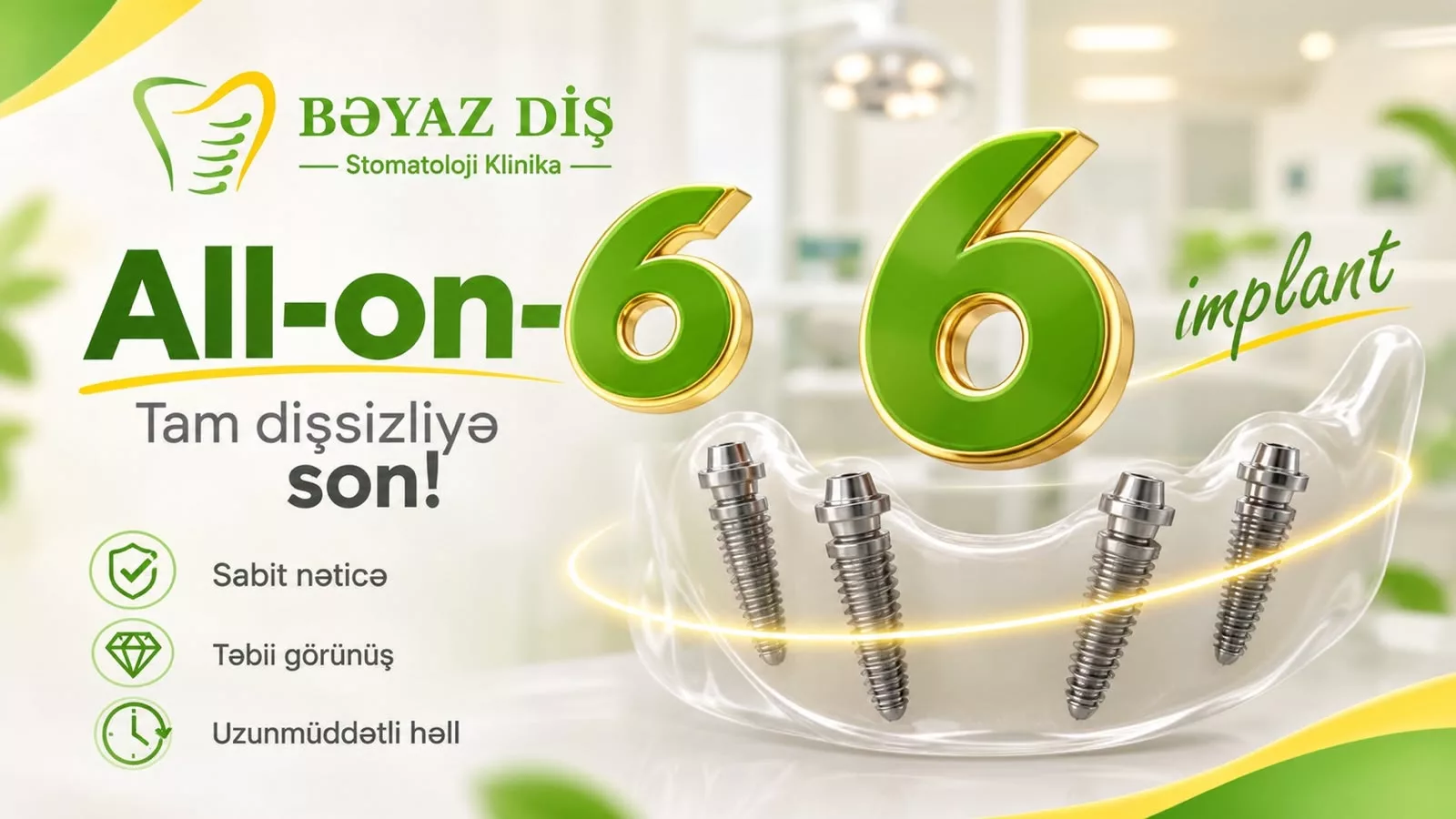
With All-on-6, six implants are placed in the jaw. A fixed prosthesis designed to replace several teeth or an entire dental arch is then attached to them. The prosthesis is custom-made to fit the patient’s mouth and is secured by a dental professional.
The number and position of implants are planned individually. Factors such as the volume and density of the jawbone, gum health, general health, and bite can influence treatment. For this reason, All-on-6 is not suitable for everyone.
Potential benefits
For some patients, All-on-6 may offer a fixed and functional way to restore missing teeth. The six implants support the prosthesis and help keep it stable in the mouth. The approach can be used to plan the restoration of an entire toothless arch.
The potential benefits depend on each patient’s circumstances. The shape, shade, and arrangement of the replacement teeth can be planned in advance. The goal is not only to improve appearance, but also to support comfortable chewing and oral function.
Who may be considered for All-on-6?
All-on-6 may be considered for people who have lost most or all of the teeth in one jaw, or whose remaining teeth cannot be restored. Suitability can only be determined after a dental examination and appropriate diagnostic assessment.
A dentist may consider:
the volume and quality of the jawbone;
the health of the gums and mouth;
general health and any medications being taken;
tobacco use;
teeth grinding or clenching;
the patient’s ability to maintain daily oral hygiene.
Some patients may need gum disease treatment or other preparatory care before implant placement. Each treatment plan is developed individually by the dental team.
How is the treatment carried out?
All-on-6 treatment usually involves several stages.
Examination and planningThe dentist examines the mouth and assesses the teeth and gums. X-rays or other imaging may be taken when needed. This information helps the dental team plan the number and position of the implants.
PreparationBefore treatment, some teeth may need to be removed, gum problems may need to be treated, or other preparatory procedures may be recommended. Whether these steps are necessary depends on the examination findings.
Implant placementSix implants are placed in the jawbone. The procedure and the type of anaesthesia used depend on the individual treatment plan. The dentist will explain healing and aftercare.
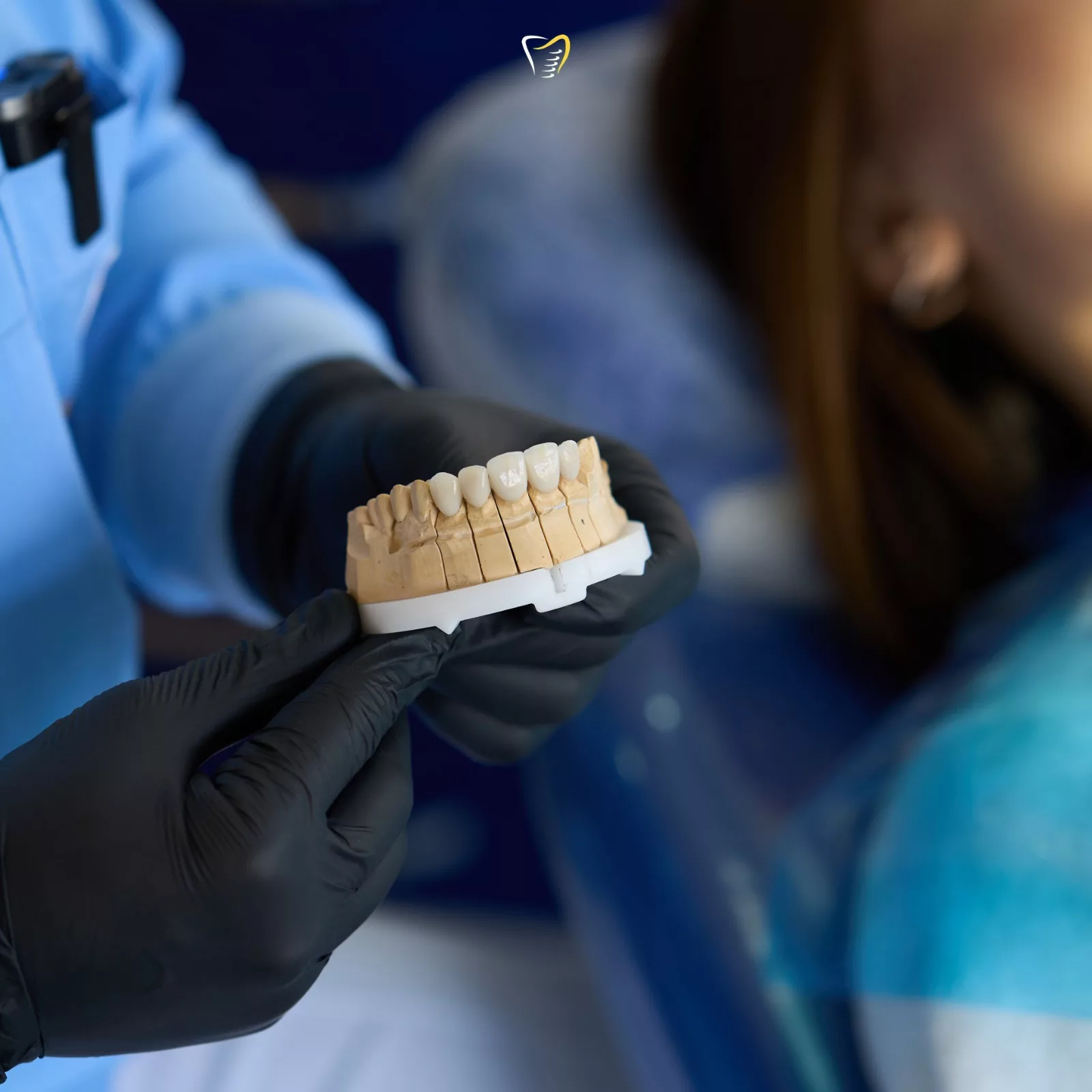
Making and fitting the prosthesisOnce the implants and oral tissues have been assessed, a prosthesis is made to fit the patient. A temporary prosthesis may be used in some cases. The timing of the final prosthesis depends on the clinical situation.
The sequence of treatment, overall timeline, and type of prosthesis can vary from one person to another. Only the treating dental professional can provide a plan based on an examination.
Caring for your All-on-6 restoration
Implants and prostheses require ongoing care. Food debris and bacteria can collect around the prosthesis, so careful oral hygiene is important. Your dentist can demonstrate cleaning methods suited to your specific restoration.
General recommendations may include:
cleaning the teeth and around the prosthesis as instructed;
using suitable tools to clean between the teeth and around the implants;
attending scheduled follow-up visits;
contacting the clinic if the prosthesis feels loose, becomes damaged, or causes discomfort;
discussing factors such as smoking or teeth grinding with your dentist.
The success of All-on-6 depends not only on implant placement but also on careful planning, oral hygiene, and regular dental monitoring.
Is All-on-6 suitable for everyone?
No. Jawbone condition, general health, gum health, and other individual factors can affect whether this treatment is appropriate. For some patients, a different implant approach or type of prosthesis may be more suitable. A professional examination is essential before making a decision.
Contact Beyaz Diş to arrange a consultation, learn more about All-on-6, and discuss the restoration options that may suit your needs. Your treatment plan will be based on an examination and your individual circumstances.
From 2001 to 2006, Dr. Telman Haji studied at the Faculty of Dentistry of Azerbaijan Medical University. In 2007, he completed his internship at City Polyclinic No. 3. He currently works as an orthodontist at Bəyaz Diş Dental Clinic.
Dr. Nicat Abbasov earned his bachelor’s degree at the Ukrainian Medical and Dental Academy between 2009 and 2014. From 2015 to 2017, he completed clinical residency training in oral and maxillofacial surgery at the N. V. Sklifosovsky Poltava Regional Clinical Hospital.
From 2018 to 2023, Dr. Nazrin Amiraslanova studied at Pavlov First Saint Petersburg State Medical University. Her professional knowledge, attentive manner, and patient-centered approach help her support patients and their families in maintaining healthy mouths and beautiful smiles.