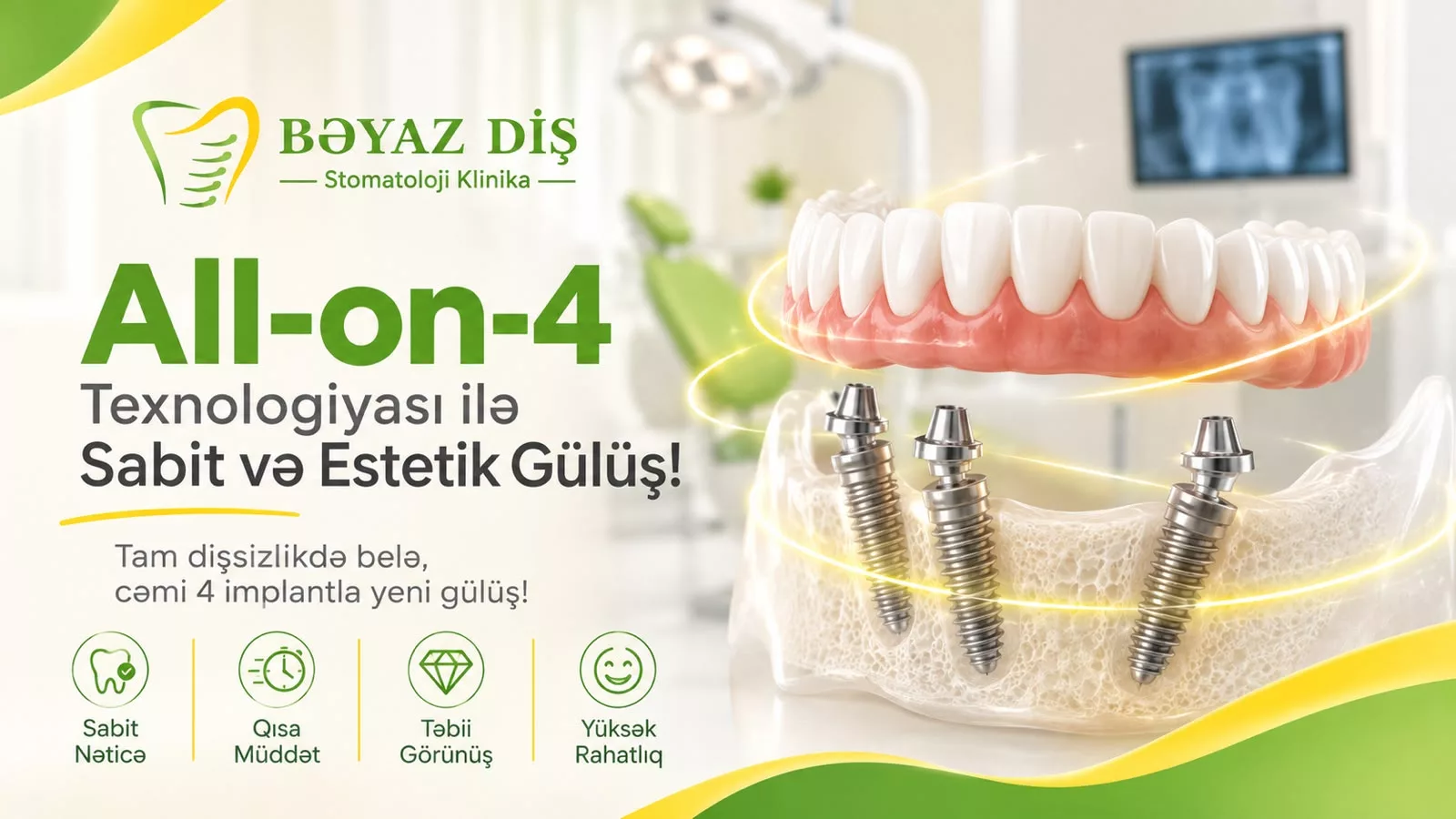
All-on-4 is a modern approach to replacing all teeth in one jaw with a fixed prosthesis supported by four dental implants. When carefully planned, the implants provide a stable foundation and can help restore chewing function and the appearance of your smile. It may not be suitable for everyone, so an examination and consultation with a dentist are essential.
Losing most or all of your teeth can affect more than your smile. It may make chewing difficult, limit the foods you enjoy, and leave you feeling self-conscious when speaking or laughing. All-on-4 is one of the modern options for replacing missing teeth. With this approach, a fixed prosthesis for one jaw is typically supported by four dental implants placed in carefully planned positions.
What is All-on-4?
All-on-4 is a treatment approach in which four implants are placed in the jaw to support a prosthesis that replaces the teeth in that jaw. Rather than placing an individual implant for every missing tooth, an entire arch may be restored using a smaller number of implants.
The implants act as supports anchored in the jawbone. Their positions and angles are planned according to the patient’s oral health, available bone, and clinical needs. As a result, All-on-4 is not performed in exactly the same way for every patient.
Who may be considered for All-on-4?
All-on-4 may be considered for people who have lost all the teeth in one jaw, or whose remaining teeth are severely damaged and cannot be restored. People who wear removable dentures and are exploring a fixed alternative may also discuss this option with a dentist.
A dental examination is needed to determine whether the treatment is suitable. The dentist may assess the gums, jawbone, general health, oral hygiene, and the patient’s expectations. Some people may need treatment for gum disease or other preparatory procedures first.
What does the treatment involve?
Treatment begins with an examination and a review of the patient’s medical and dental history. The dentist may recommend imaging to help plan the implant positions and the shape of the prosthesis. The treatment options, stages, possible risks, and care requirements should be discussed before proceeding.
The implants are then placed according to the treatment plan. If any remaining teeth cannot be restored, their removal may also be part of the plan. The timing of a temporary or final prosthesis depends on the individual clinical situation and the dentist’s recommendations. Treatment timelines and steps can vary.
Follow-up appointments allow the dental team to monitor the implants and surrounding tissues. Adjusting the prosthesis and maintaining good oral hygiene are also important parts of treatment.
Potential benefits of All-on-4
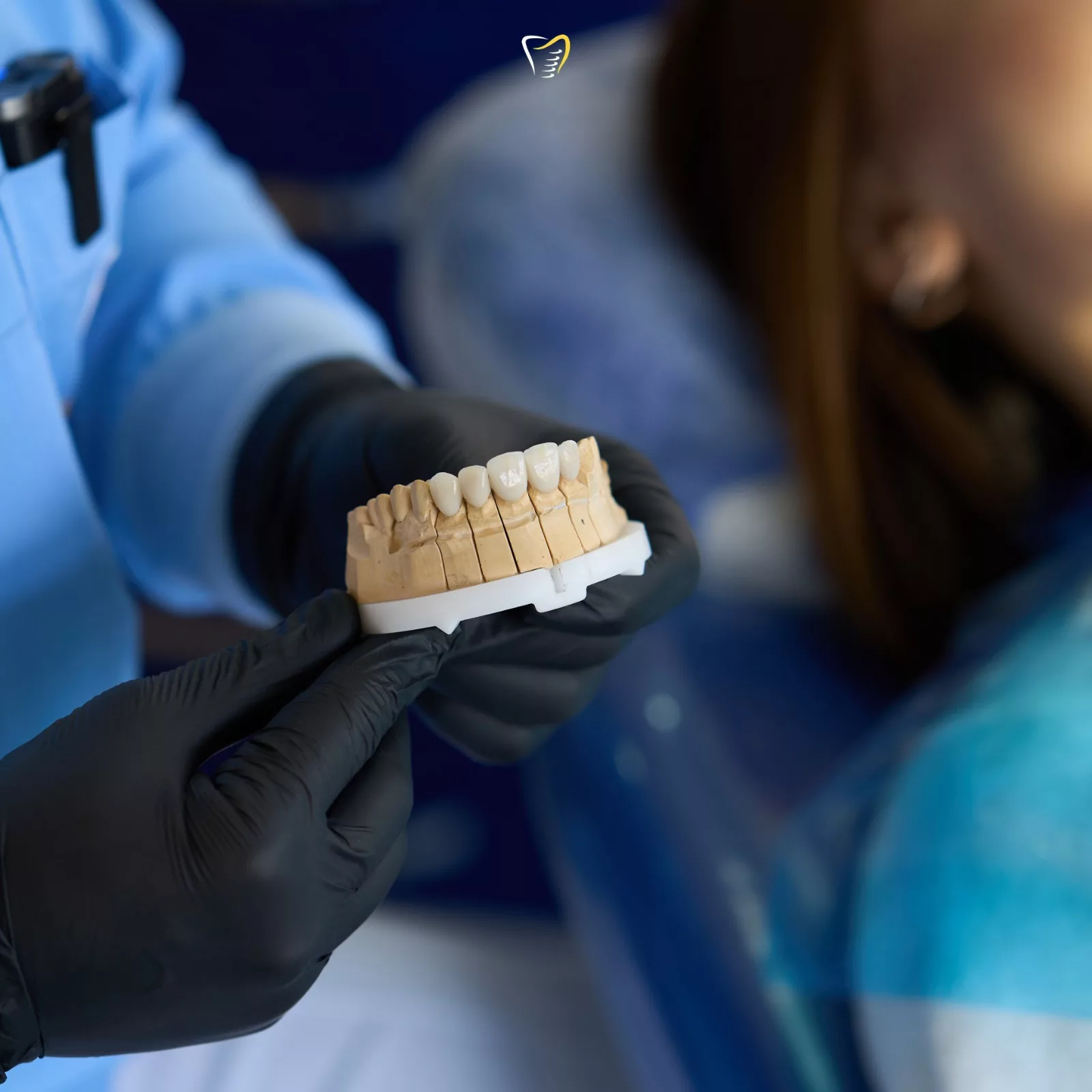
One potential benefit is that a full arch of teeth can be supported by a relatively small number of implants. A fixed prosthesis may feel different from a removable denture and can support everyday chewing and speaking. The appearance of the replacement teeth can be planned to suit the patient’s facial features and needs.
However, results depend on factors such as oral health, how the implants integrate with the bone, the design of the prosthesis, and ongoing care. It would not be accurate to promise that everyone can receive finished teeth “in one day.” The appropriate timing and treatment sequence are determined individually.
Risks and important considerations
Implant placement is a surgical procedure and, like other medical treatments, carries potential risks. These can include infection, delayed healing, an implant not integrating with the bone as expected, discomfort, or the need to adjust the prosthesis. Smoking, certain chronic conditions, and poor oral hygiene may affect healing and long-term outcomes.
Before treatment, tell your dentist about your medical history and any medications you take. Following the dentist’s instructions and attending follow-up visits can help monitor your progress.
How should you care for the implants and prosthesis?
The All-on-4 prosthesis needs daily cleaning, just like natural teeth. Use the toothbrush, toothpaste, and additional cleaning tools recommended by your dental professional to reduce the buildup of food debris around the prosthesis and gums. In some cases, interdental cleaning tools or a water flosser may be recommended.
Daily home care does not replace professional check-ups. Your dentist can assess the fit of the prosthesis and the health of the gums and implants. If you notice looseness, pain, bleeding, or other discomfort, contact your dental clinic rather than trying to adjust the prosthesis yourself.
In summary
All-on-4 may be an option for people who have lost most or all of their teeth. Whether it is appropriate depends on an individual examination, diagnostic assessment, and the dentist’s clinical judgment. Discuss your options, expected treatment stages, possible risks, and care requirements with a dental professional.
From 2001 to 2006, Dr. Telman Haji studied at the Faculty of Dentistry of Azerbaijan Medical University. In 2007, he completed his internship at City Polyclinic No. 3. He currently works as an orthodontist at Bəyaz Diş Dental Clinic.
Dr. Nicat Abbasov earned his bachelor’s degree at the Ukrainian Medical and Dental Academy between 2009 and 2014. From 2015 to 2017, he completed clinical residency training in oral and maxillofacial surgery at the N. V. Sklifosovsky Poltava Regional Clinical Hospital.
From 2018 to 2023, Dr. Nazrin Amiraslanova studied at Pavlov First Saint Petersburg State Medical University. Her professional knowledge, attentive manner, and patient-centered approach help her support patients and their families in maintaining healthy mouths and beautiful smiles.